
Foam Rolling for Back Pain: Techniques That Really Work

Back pain can be a real nuisance, can’t it? Whether it’s from sitting too long, a sports injury, or just the wear and tear of daily life, it often feels like relief is just out of reach. But here’s some good news: foam rolling is a simple, effective way to ease that discomfort and get you moving more freely again. I’m excited to share with you some practical foam rolling techniques for back pain relief that you can try at home today!
Discovering the Benefits of Foam Rolling for Back Pain
Foam rolling is a form of self-myofascial release. What does that mean? Simply put, it’s a way to massage your muscles and connective tissue using your own body weight and a foam roller. This helps to break down knots, improve blood flow, and increase flexibility. When it comes to back pain, foam rolling can:
Reduce muscle tightness and stiffness
Improve posture by loosening tight muscles
Enhance circulation to promote healing
Decrease inflammation and soreness
The best part? You don’t need to be an expert or have special equipment beyond a foam roller. Just a few minutes a day can make a noticeable difference. Ready to give it a go?
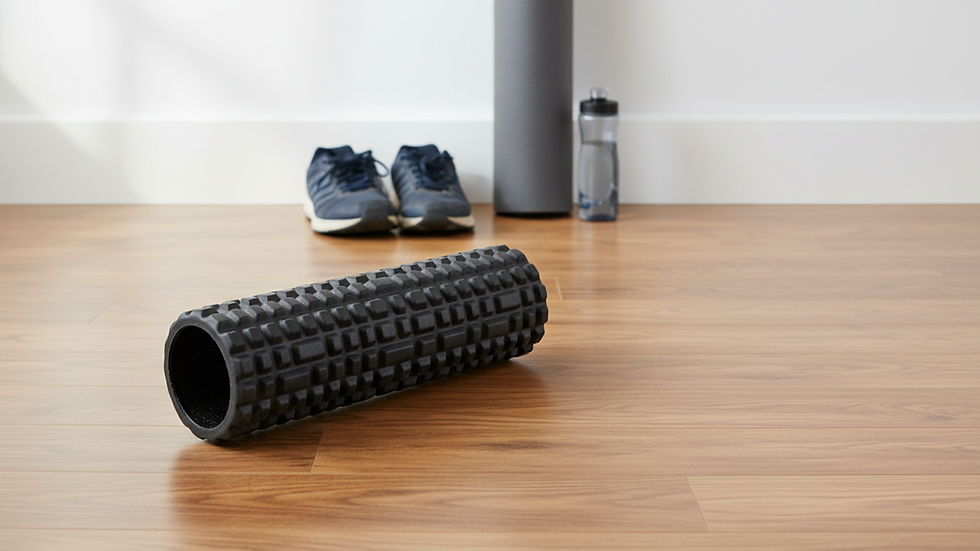
Foam Rolling Techniques for Back Pain Relief
Let’s dive into some specific techniques that target different areas of your back. Remember, always move slowly and gently. If you feel sharp pain, stop immediately and consult a healthcare professional.
Upper Back Release
Sit on the floor with your knees bent and place the foam roller behind you at the base of your shoulder blades.
Cross your arms over your chest to open up your shoulder blades.
Lift your hips off the floor and slowly roll up and down from your shoulder blades to the middle of your back.
Pause and hold on any tight spots for 20-30 seconds.
This technique helps relieve tension in the upper back and shoulders, which often contributes to discomfort.
Mid-Back Mobilisation
Lie on your back with the foam roller positioned horizontally under your mid-back.
Support your head with your hands and gently lift your hips.
Slowly roll the foam roller up towards your shoulder blades and back down to your lower ribs.
Repeat for 1-2 minutes, focusing on breathing deeply.
This movement encourages mobility in the thoracic spine, which can improve posture and reduce pain.
Lower Back Care
The lower back is a sensitive area, so it’s important to be cautious here. Instead of rolling directly on your lower back, try this:
Sit on the floor and place the foam roller under your glutes.
Cross one ankle over the opposite knee to target the piriformis muscle.
Gently roll back and forth for 30 seconds on each side.
This helps release tension in muscles that often refer pain to the lower back.

How to properly use a foam roller for lower back pain?
Many people wonder how to approach foam rolling when it comes to the lower back. The key is to avoid rolling directly on the spine or lower back muscles, as this can cause discomfort or injury. Instead, focus on the surrounding muscles that support your lower back, such as the glutes, hamstrings, and hip flexors.
Here’s a gentle routine to try:
Glute Release: Sit on the foam roller and lean slightly to one side. Roll slowly over the glute muscles for 1-2 minutes per side.
Hamstring Roll: Sit with the foam roller under your thighs. Use your hands to lift your hips and roll from just above the knees to the base of your glutes.
Hip Flexor Stretch: Lie face down with the foam roller under one hip. Gently roll side to side to loosen tight hip flexors.
By targeting these areas, you support your lower back and reduce strain. Remember, patience is key. Foam rolling is a process, not a quick fix.
Tips for Safe and Effective Foam Rolling
To get the most from your foam rolling sessions, keep these tips in mind:
Start slow: Begin with light pressure and short sessions (5-10 minutes).
Breathe deeply: This helps your muscles relax and enhances the release.
Avoid rolling over bones: Focus on muscles and soft tissue only.
Stay hydrated: Drinking water helps flush out toxins released during rolling.
Consistency matters: Aim to foam roll 3-4 times a week for best results.
If you’re unsure about your technique or have a specific injury, it’s always wise to seek advice from a professional. They can tailor a plan that suits your needs perfectly.
Incorporating Foam Rolling into Your Daily Routine
Making foam rolling a regular habit can transform your back health. Here’s a simple plan to get started:
Morning: Spend 5 minutes on upper and mid-back rolling to wake up your muscles.
Post-exercise: Use foam rolling to cool down and reduce soreness.
Evening: Target tight areas gently to relax before bed.
You might find it helpful to keep your foam roller somewhere visible, like next to your bed or in your living room. That way, it’s easier to remember and less of a chore.
If you want to learn more about how to use a foam roller for back pain, there are plenty of resources and videos online that can guide you step-by-step.
Foam rolling is a wonderful tool in your self-care arsenal. It’s empowering to know that with just a simple foam roller, you can take active steps towards easing your back pain and improving your quality of life. So why not give it a try today? Your back will thank you!


Comments